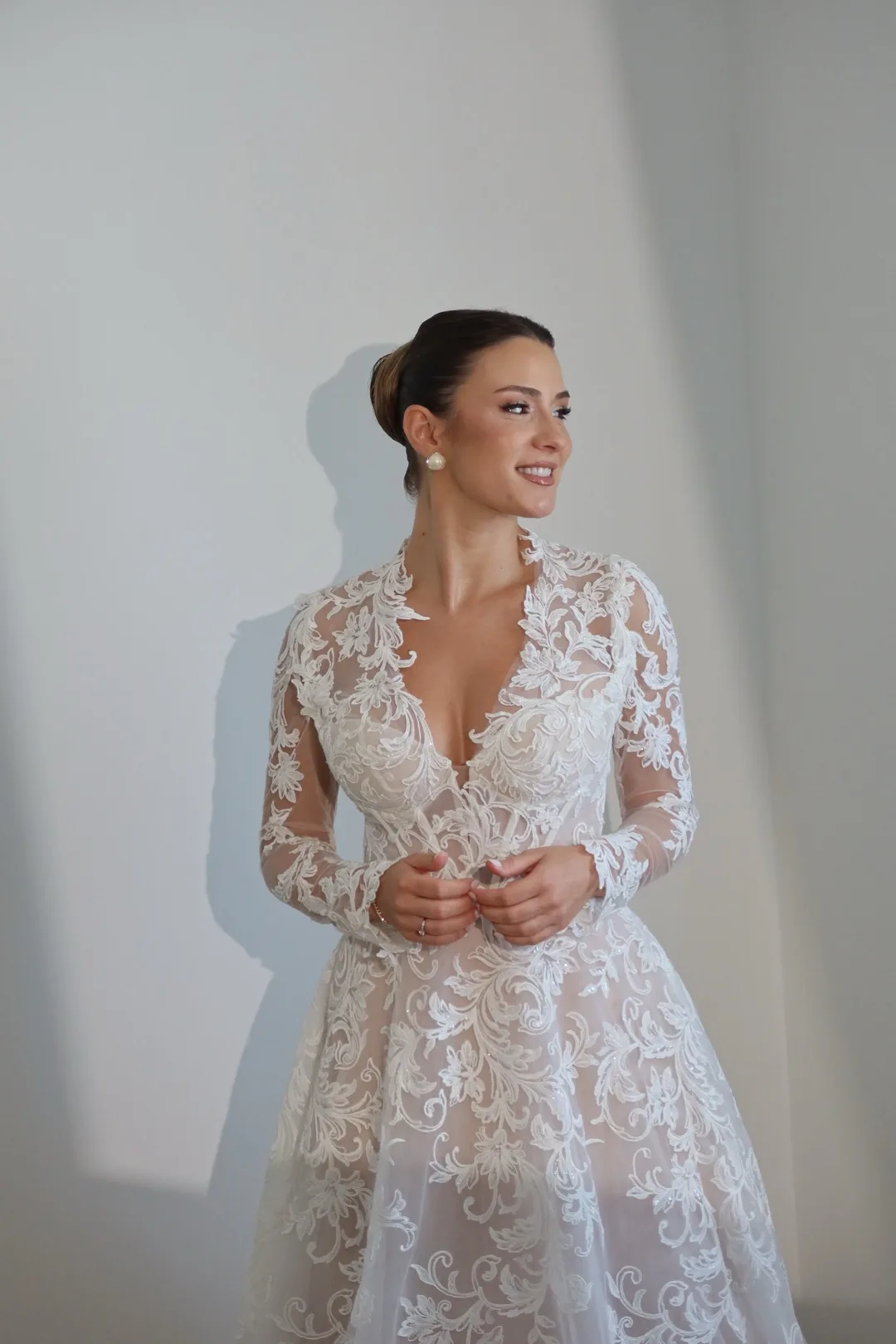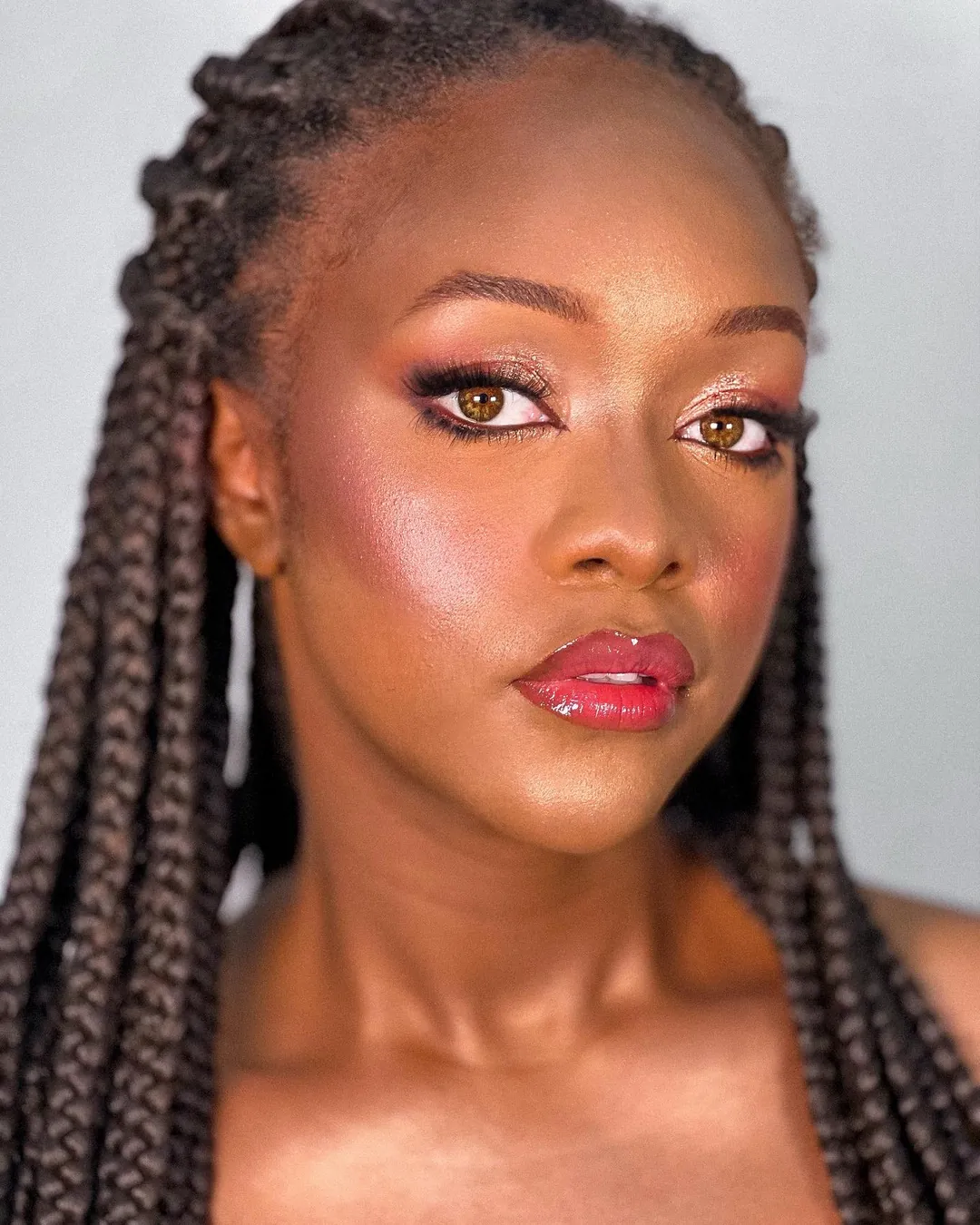
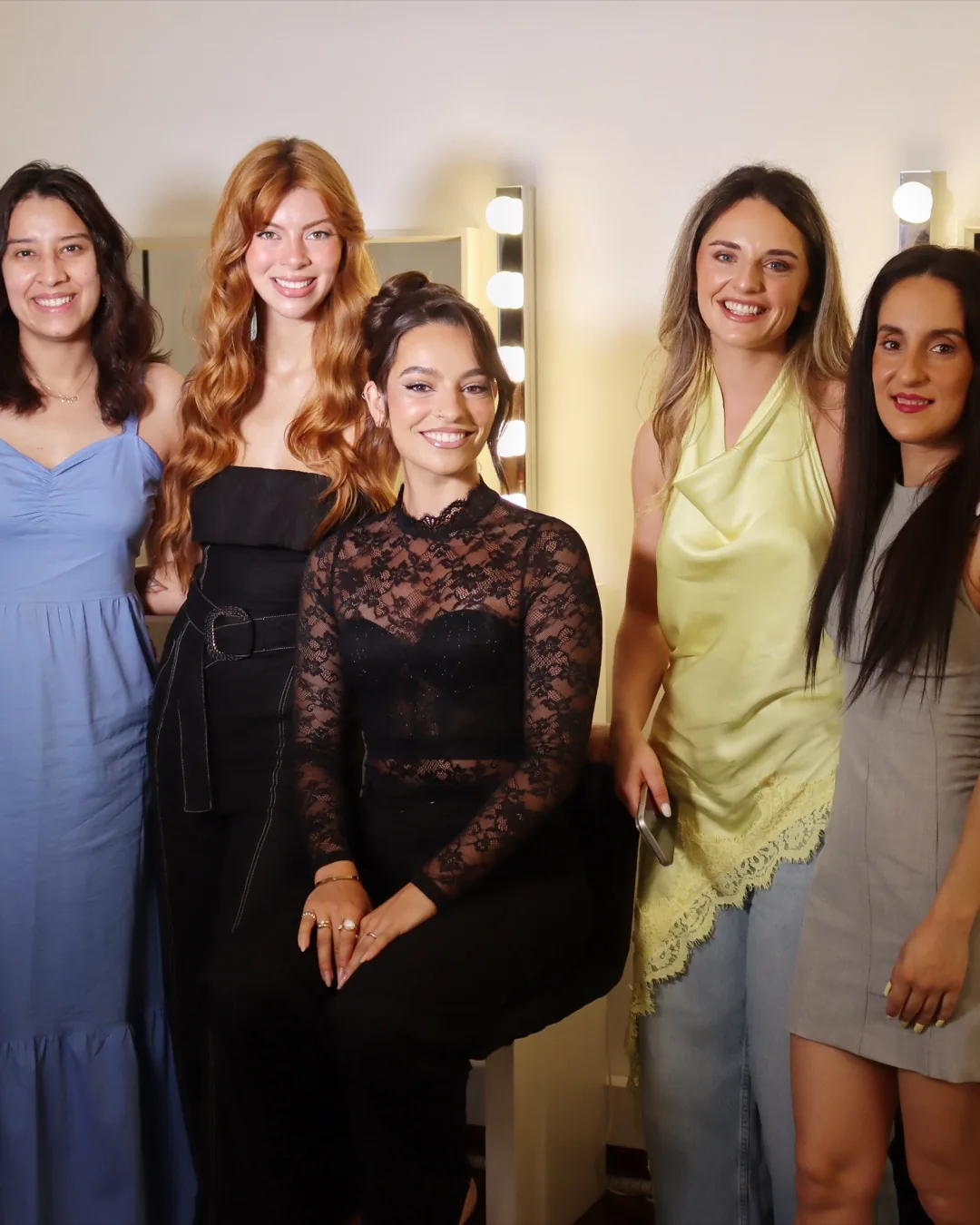
At sixteen I taught myself, improvising a great deal on very little money. I took more than ten advanced courses and specialised in visagism. Today I teach the classes I wish I had been given at the start. I teach what I do every day as a makeup artist in Porto.
Three formats, three goals
Professional training
For anyone who wants to work in this. It is the full route: from the first brush to the first paying client.
We cover colour and undertone theory, skin preparation by type, building foundation in layers, colour correction, eye technique (smoked, cut crease, liner adapted to each lid), applied visagism, and bridal makeup with long-wear technique.
But technique is only half of it. The other half is what nobody teaches and what sinks so many talented people: hygiene and tool disinfection, building and managing your materials, how to price so that you actually profit, how to talk to a client who is feeling insecure, how to build a portfolio that brings work, and what to do when somebody does not like the result.
Brow module
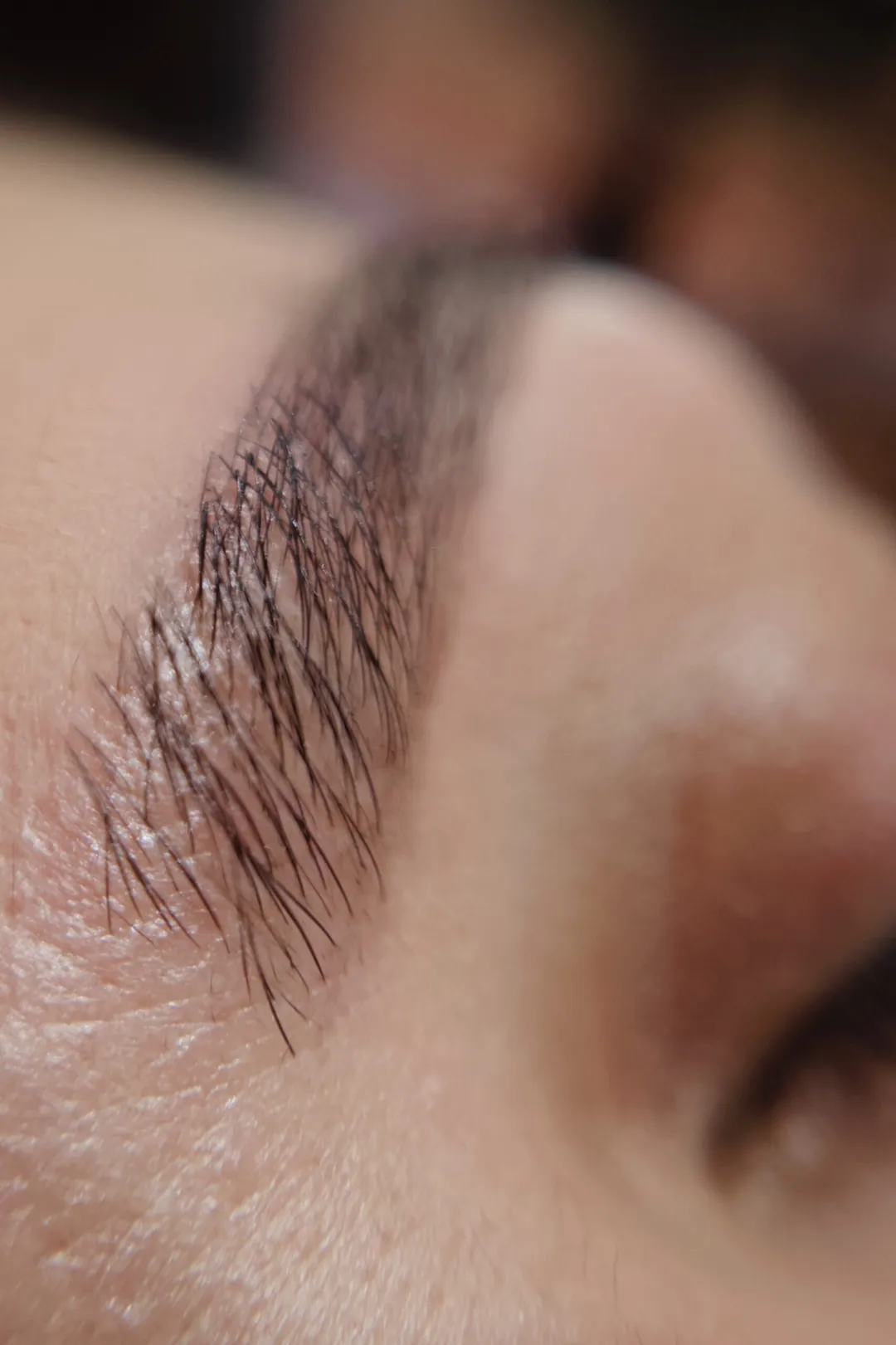
For artists already working who want to add services to their menu. It covers brow up, lash lift and threading in the Brazilian method: the full protocol, the most efficient technique, products, processing times, contraindications, managing expectations and aftercare.
It is the training with the fastest return, because these are high-value services that slot into a diary that already exists.
Self-makeup
A one-to-one lesson designed around a single face: yours. You do not learn "how makeup is done": you learn how yours is done.
We analyse the proportions of your face, decide where light and shadow should sit, and rehearse two or three routines you can reproduce alone: a fast daytime one, an evening one, and the touch-ups that solve everything else. We also talk through products: what suits your skin, what does not, and what is not worth buying.
People travel to me for this. I have had students come up from Lisbon specifically for it.
How the classes run
One-to-one VIP classes, always. My attention goes entirely to a single student. That is not a commercial decision: it is the only way to correct somebody's hand while they are working, which is where learning actually happens.
Lots of practice, little passive theory. It is explained, demonstrated, then done.
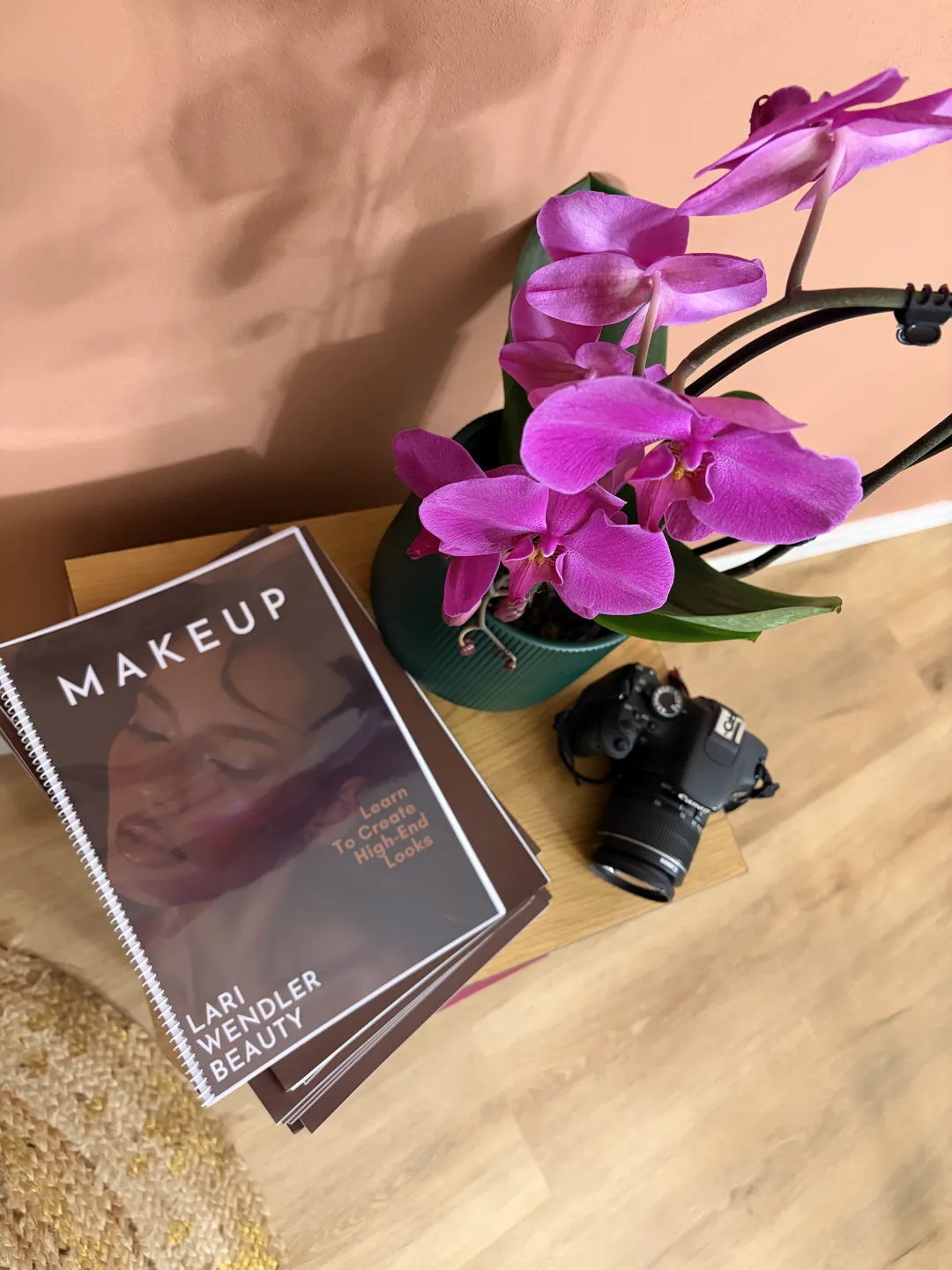
Every student receives a personalised book with everything she needs in order to remember the execution.
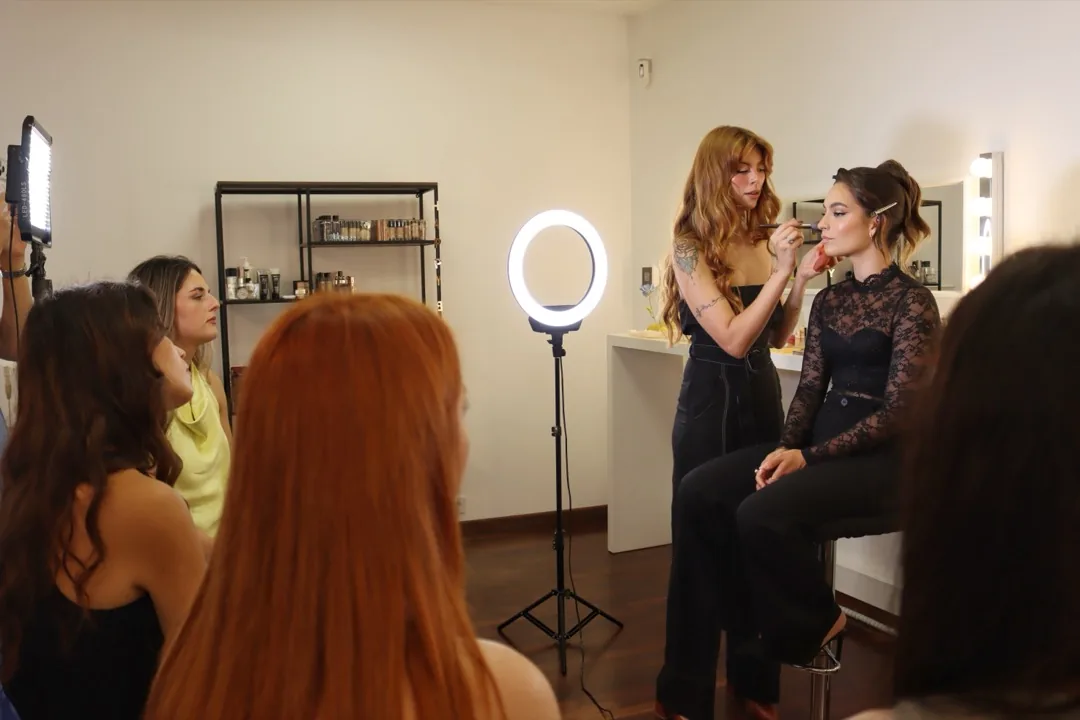
What is included in the training
Individual lessons include all the materials used in class, a personalised booklet summarising what we worked on, and a certificate at the end. There is coffee and something to snack on through the day. You do not need to buy anything before you come.
Do I need experience?
For the professional training and the self-makeup lesson, no. We start from zero and that is not a problem. In some ways it is an advantage, because there are no bad habits to undo.
The brow module is the only one that assumes you already work in the field, because it takes prior knowledge of hygiene and client care as a given.
What I do not promise
I do not promise you will leave a course doing makeup like someone who has done it for ten years. Nobody can. What you can leave with is correct technique, the judgement to assess your own work, and a method for improving on your own. Which is the only thing that still serves you after the course ends.
I am still studying every year. The day I decide I know it all is the day my work starts looking the same.
Dates and enrolment
Groups open by arrangement and dates vary through the year. Tell me which format interests you and roughly when you would be free, and I will send you the next dates, what is included, and the fees.
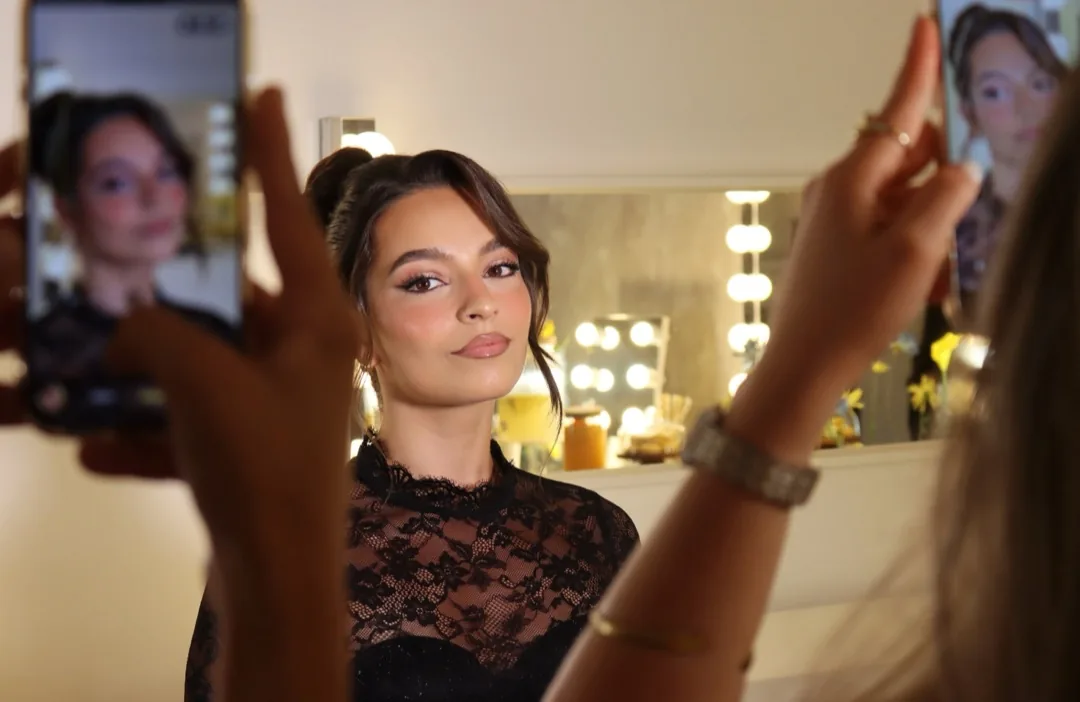
Besides individual lessons, I run group masterclasses: a full makeup done live on a model and explained step by step. Dates are announced on Instagram and TikTok.
Teaching is not showing how it is done. It is staying quiet while the student gets it wrong, and only then explaining why.
Larissa Wendler, makeup trainer in Porto
References
- Regulation (EC) No 1223/2009: the European regime for cosmetic products: composition, labelling and safety assessment of everything applied to the skin.
- INFARMED: the national competent authority for cosmetic products in Portugal.